The Enduring Appeal of Handcrafted Solid Wood Furniture
Mass production has taught us to expect furniture that arrives in a flat cardboard box, smells of glue, and wobbles after six months of normal use. We accept these compromises because shopping for interiors has become an exercise in speed rather than substance. Yet a house settles down only when objects inside it carry real weight, age with grace, and resist the urge to fall apart.
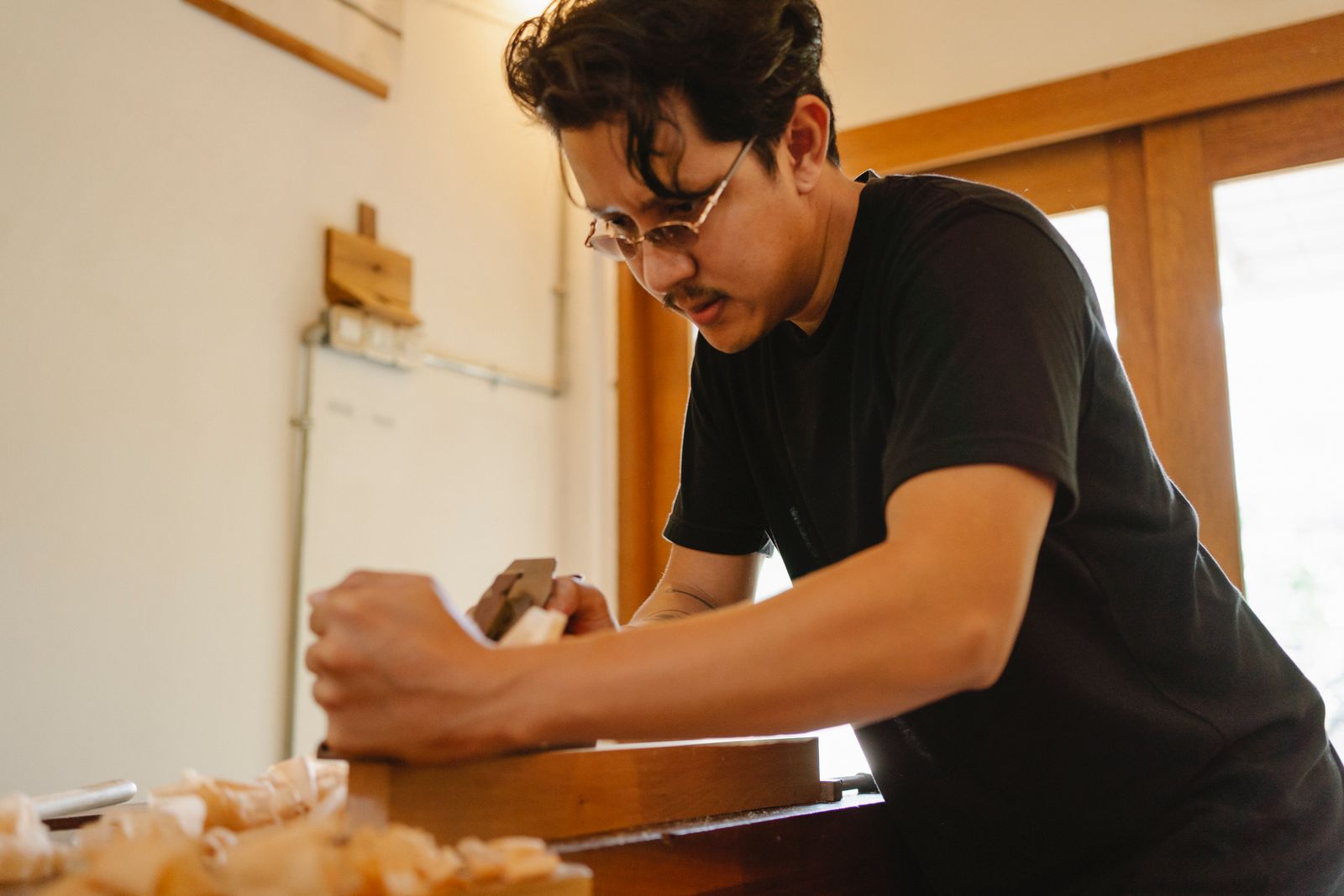
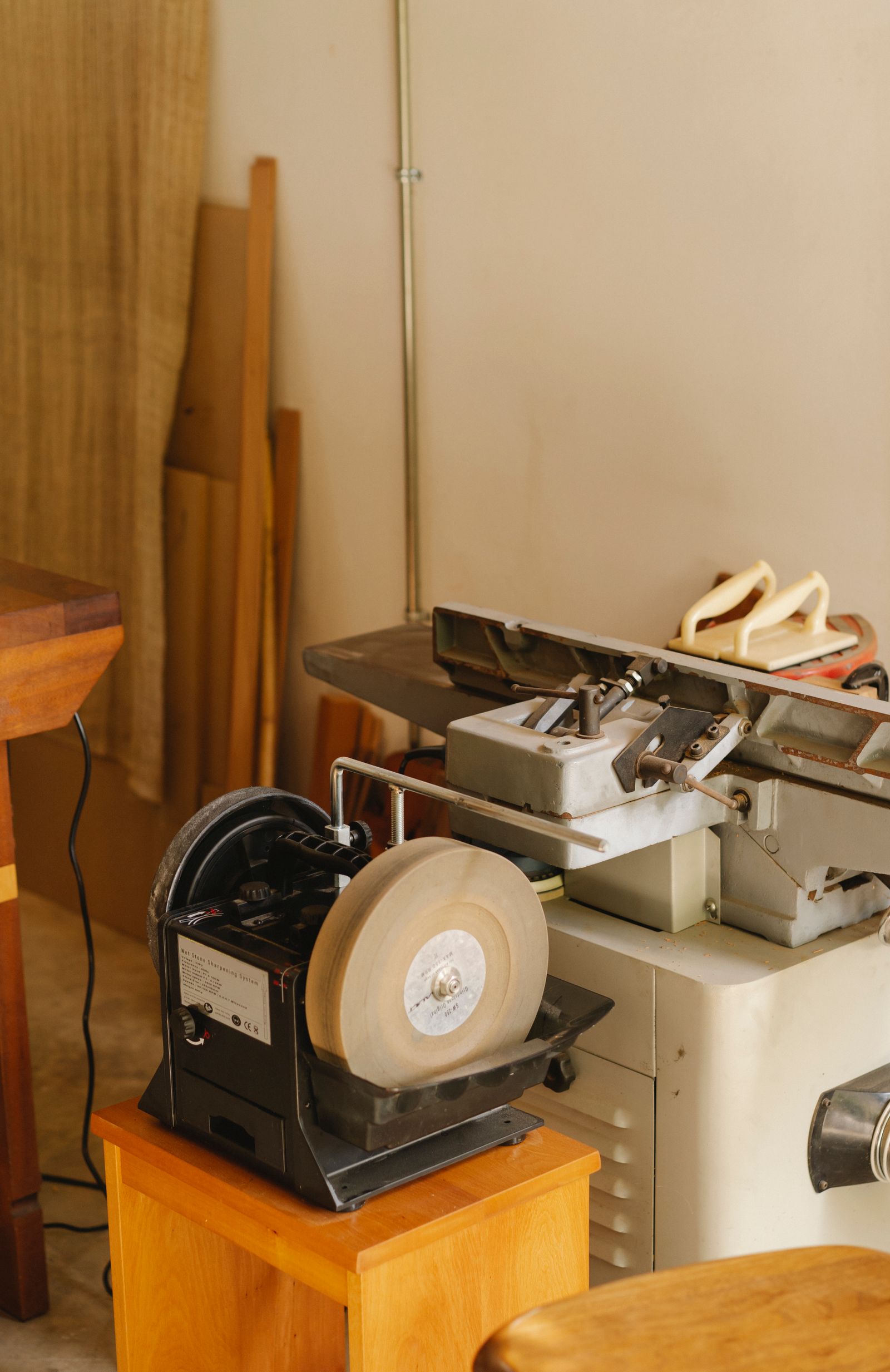
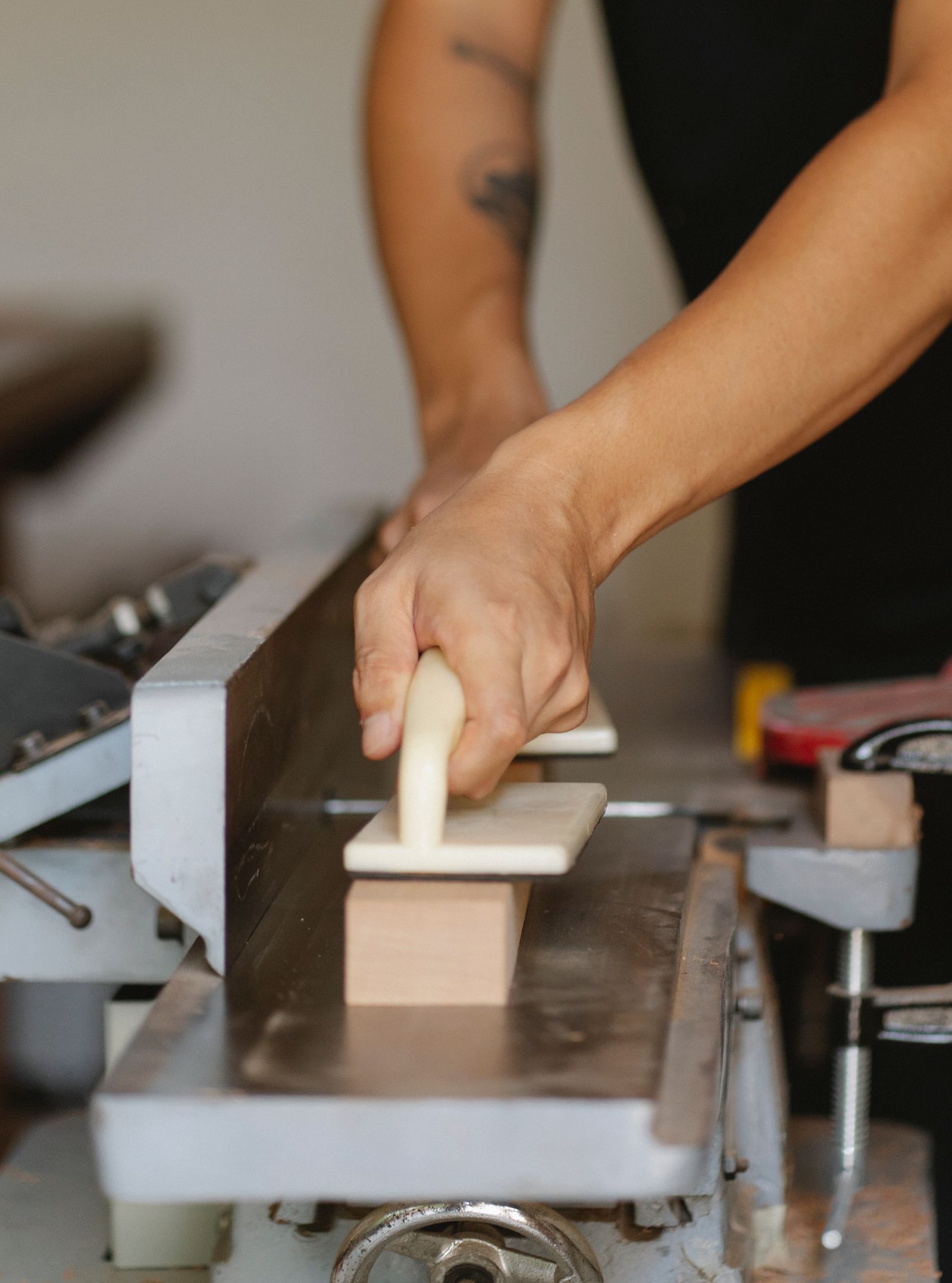
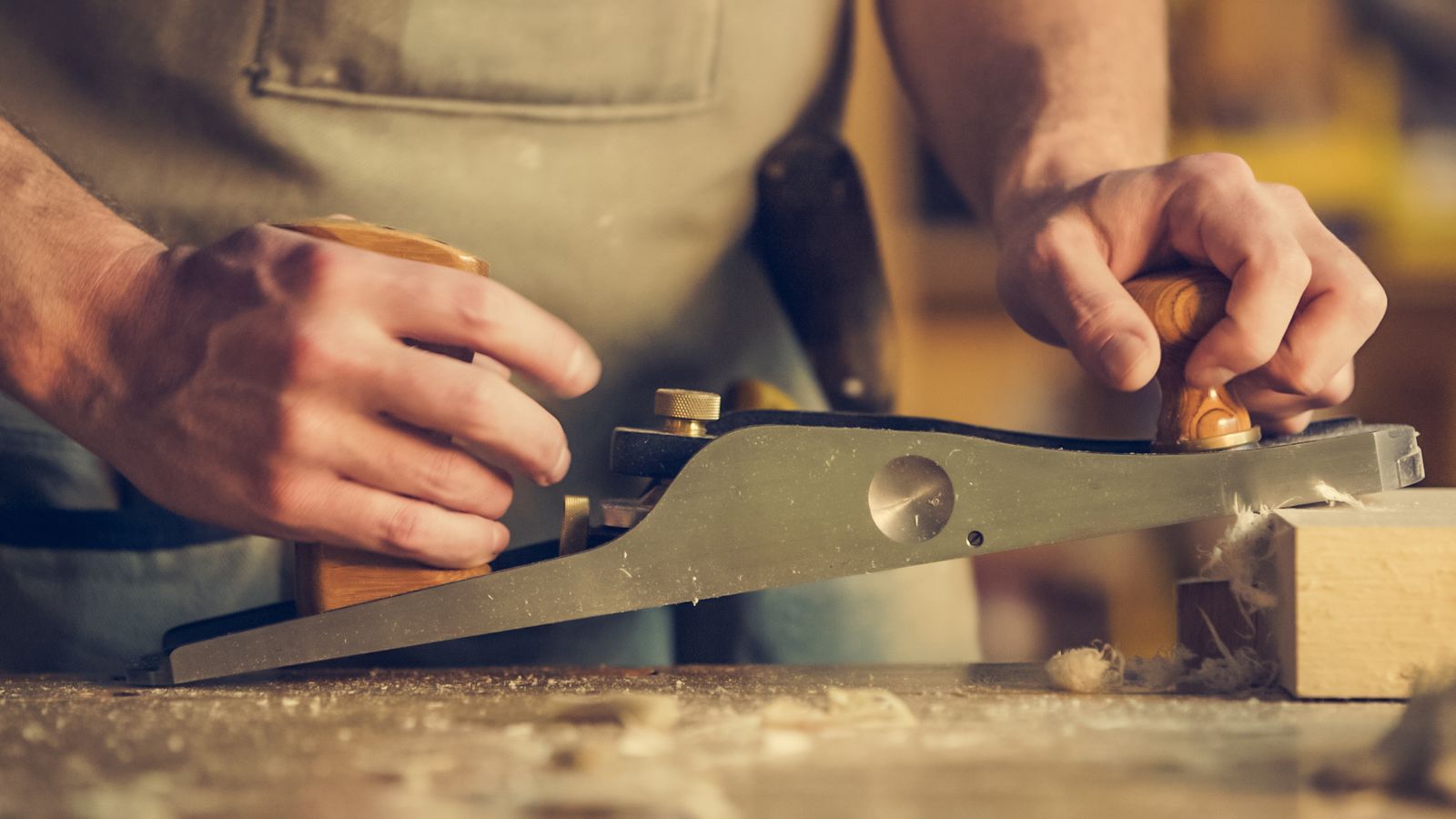
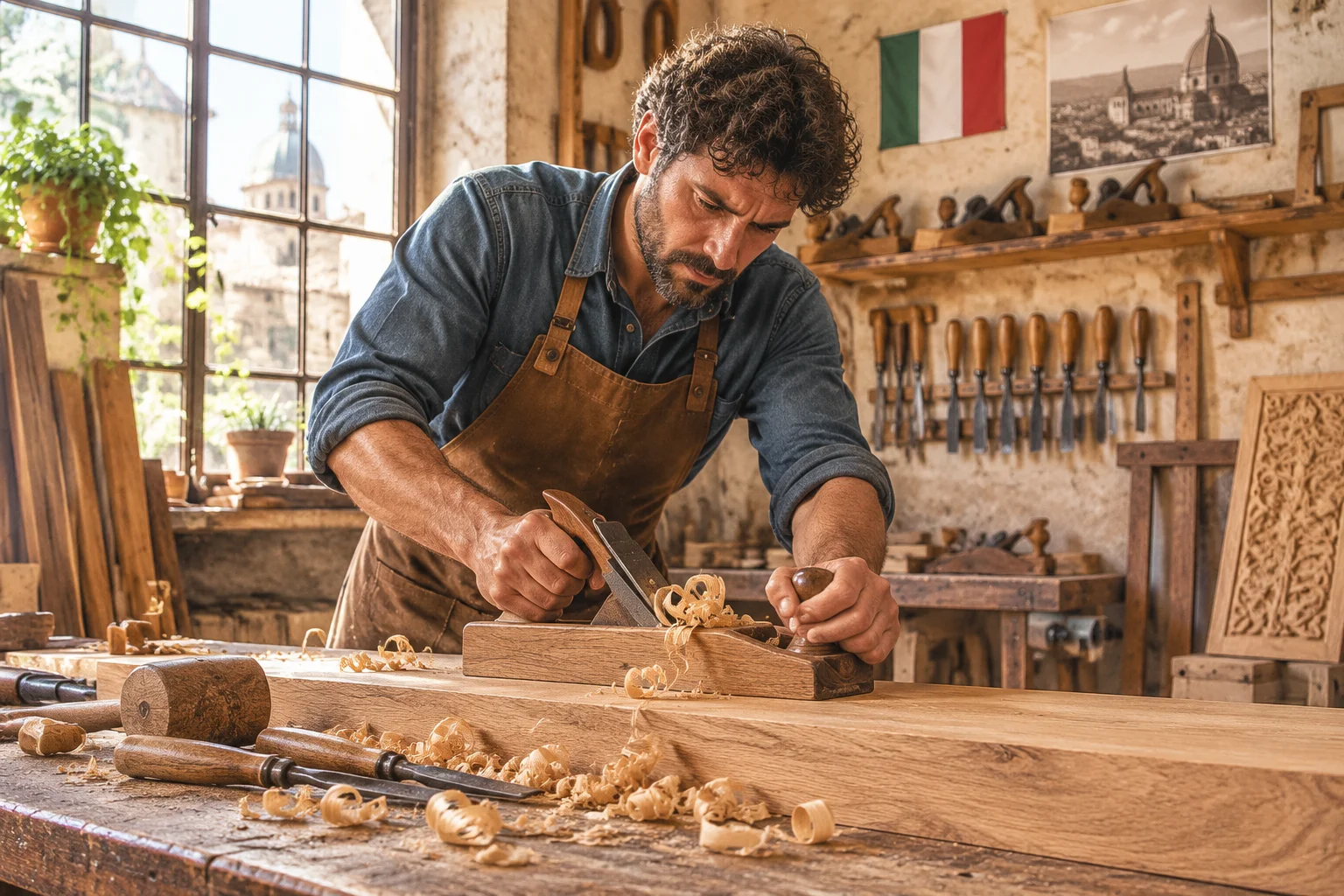
In our Umbrian workshop, the air smells of freshly planed oak, linseed oil, and sawdust rather than synthetic resins. Wood is a living material that retains its character long after the tree has fallen, expanding and contracting with the seasons. Ignoring this behavior leads to cracked panels and warped doors. Respecting it requires patience, sharp hand tools, and a deep understanding of grain direction.
The Quiet Strength of Solid Hardwood
Choosing solid wood over veneered chipboard is not a luxury statement; it is a commitment to durability. A solid oak dining table takes the knocks of daily family life, absorbs spills, accumulates scratches, and simply grows more handsome with every year that passes. Sanding down a surface removes the marks of a messy dinner, revealing fresh timber underneath without exposing an ugly core of compressed sawdust.
Synthetics try to imitate nature's variety by repeating a printed pattern every forty centimeters. Real timber offers knots, swirls, and color shifts that make every board completely unique. Running a hand across a custom tabletop reveals the subtle texture of the grain, a reminder that an object was shaped by human palms rather stamped out by an anonymous machine in a distant warehouse.
Designing Furniture Around Your Real Life
Standard retail dimensions assume that every living room, hallway, and bedroom follows identical architectural rules. Houses in Italy rarely cooperate with such uniformity, featuring thick stone walls, low ceilings, and alcoves that refuse a standard bookcase. Custom design starts by measuring the actual room, listening to how the family moves through it, and building an object that solves a specific spatial problem.
- Bespoke wardrobes utilize every centimeter up to the ceiling without leaving dusty gaps on top.
- Kitchen islands feature specific counter heights tailored to the cook's posture and reach.
- Media consoles hide messy cables behind louvered wooden doors designed for natural ventilation.
- Entryway benches incorporate deep drawers for muddy boots and winter scarves.
Building for a specific space eliminates wasted corners and awkward gaps. A well-designed wardrobe or sideboard looks as though it grew into the room, becoming an architectural feature rather than an afterthought pushed against a blank wall.
Traditional Joinery Without Shortcuts
Modern fast furniture relies on metal cam locks, plastic dowels, and cheap screws that strip out of soft composite boards under stress. Traditional woodworking uses wood to hold wood together through mortise and tenon joints, dovetails, and wooden pegs. These interlocking connections distribute weight naturally across the frame, allowing the structure to flex slightly without loosening its grip.
Glue acts as an auxiliary bond rather than the primary structural element. A properly cut dovetail joint on a drawer box will hold firm even if the adhesive fails decades from now. This meticulous approach demands time and steady hands, but the resulting cabinet doors hang straight for a lifetime and drawers glide smoothly without jamming.
Choosing the Right Timber for Your Home
Different woods bring distinct personalities and physical properties to a room. Walnut offers deep, dark tones and a sophisticated grain pattern that suits formal dining rooms and study desks. Oak provides exceptional hardness and a bright, welcoming texture that handles heavy daily traffic in kitchens and hallways. Cherry wood darkens gracefully over time, acquiring a rich reddish patina when exposed to natural sunlight.
Selecting a timber involves looking past a tiny sample block in a showroom and imagining how a full cabinet or table will look under the morning light in your specific dining room. We guide clients through choosing boards that match their aesthetic preferences while ensuring the wood's density suits the intended function.
True craftsmanship resists the pressure to speed up production at the expense of quality. Every plank is inspected, planed, and fitted by artisans who take personal pride in the finished piece. When a table or wardrobe finally leaves our workshop for your home, it carries hours of focused attention and decades of accumulated woodworking knowledge within its frame.